Rughola Graffiti: Bridging 90s Hip-Hop Energy with Modern Brand Identity
In the rapidly evolving landscape of digital design, typography serves as more than just a vessel for information; it is the emotional anchor of visual communication. Among the myriad of typefaces available to contemporary creators, Rughola Graffiti has emerged as a distinctive choice that bridges the raw energy of street culture with the polished demands of modern branding. This font is not merely a stylistic nod to the past but a functional tool that addresses the current market’s hunger for authenticity, rhythm, and visual impact.
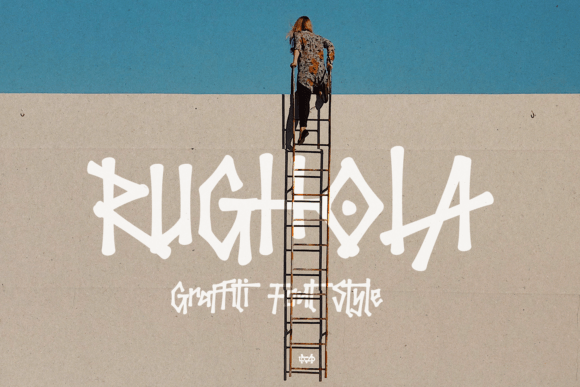
Rughola is a graffiti font inspired from 90s street hip hop style. It captures the essence of an era defined by bold self-expression, urban artistry, and cultural rebellion. However, its application extends far beyond nostalgic homage. By offering a clear and unique structure, Rughola allows designers to explore and combine elements that create a rhythm for comfortable reading, even within the chaotic aesthetics of graffiti art. This balance between legibility and artistic flair makes it a versatile asset for professionals across various industries.
The Resurgence of Authenticity in Visual Culture
To understand why Rughola Graffiti is gaining traction among marketers and entrepreneurs, one must look at the broader shifts in consumer behavior. Today’s audiences are increasingly skeptical of overly polished, corporate aesthetics. There is a marked preference for brands that feel human, grounded, and culturally aware. The 90s hip-hop aesthetic, characterized by its boldness and unapologetic presence, resonates with this desire for authenticity.
Graffiti, once viewed strictly as vandalism, has been recontextualized as a legitimate and powerful form of artistic expression. When integrated into commercial design, it signals a brand’s willingness to break conventions and engage with youth culture on a genuine level. Rughola facilitates this connection by providing a typeface that feels organic and hand-crafted, yet remains structured enough for professional use. It allows businesses to project confidence and creativity without sacrificing clarity.
Designing for Rhythm and Readability
One of the most significant challenges in using display fonts, particularly those inspired by street art, is maintaining readability. Many graffiti-style typefaces sacrifice legibility for style, rendering them suitable only for large, decorative headers. Rughola distinguishes itself by prioritizing a rhythm for comfortable reading. Its letterforms are designed with careful attention to spacing and stroke weight, ensuring that the eye can move smoothly across the text.
This feature is crucial for projects that require both impact and information delivery. For instance, when used in magazine layouts or book covers, Rughola can command attention while still allowing the reader to process titles and subtitles efficiently. This dual capability makes it an invaluable resource for editors and graphic designers who need to balance artistic vision with user experience.
Versatility Across Creative Mediums
The utility of Rughola Graffiti lies in its adaptability. It is not confined to a single medium or industry. Instead, it serves as a flexible component in a designer’s toolkit, capable of enhancing a wide array of projects. Below are several key areas where this font excels:
- Logotype and Brand Identity: For startups and lifestyle brands, a logo needs to be memorable and distinctive. Rughola’s unique character helps new brands stand out in crowded marketplaces, conveying a sense of energy and innovation.
- Packaging Design: In the retail sector, packaging is the first point of physical contact between a product and a consumer. Using Rughola on packaging for streetwear, beverages, or tech accessories can create an immediate emotional connection, suggesting that the product inside is bold and contemporary.
- Apparel and Merchandise: The fashion industry, particularly streetwear, thrives on graphic intensity. T-shirts, hoodies, and caps featuring Rughola typography appeal to consumers who view clothing as a canvas for self-expression.
- Digital Media: From Instagram posts to website headers, digital platforms require visuals that stop the scroll. Rughola’s high-contrast shapes perform well on screens, ensuring that headlines grab attention even in small formats.
By integrating Rughola into these diverse applications, creators can maintain a consistent visual language across both physical and digital touchpoints. This consistency is vital for building strong brand recognition and loyalty.
Meeting the Evolving Needs of Modern Workflows
The way professionals work has changed dramatically in recent years. Freelancers, agencies, and in-house teams are often required to produce content at a faster pace, across more platforms, and for more diverse audiences. In this context, having access to versatile, high-quality assets like Rughola Graffiti streamlines the creative process.
Instead of spending hours customizing a basic font to achieve a graffiti effect, designers can leverage Rughola’s inherent characteristics. This efficiency allows them to focus on higher-level strategic decisions, such as color theory, composition, and messaging. Furthermore, because the font is designed with modern digital standards in mind, it integrates seamlessly into contemporary design software and web environments.
For entrepreneurs and small business owners who may not have extensive design resources, Rughola offers a plug-and-play solution for achieving a professional, edgy look. Whether creating posters for an event, designing stickers for a marketing campaign, or updating a website’s hero section, the font provides immediate visual value.
Connecting with Youth Culture and Global Trends
Hip-hop culture has evolved from a regional movement into a global phenomenon that influences music, fashion, language, and design worldwide. By utilizing a font inspired by this culture, brands can tap into a universal language of coolness and relevance. Rughola Graffiti acts as a cultural signifier, aligning a brand with values of creativity, resilience, and community.
This alignment is particularly important for companies targeting millennials and Gen Z consumers. These demographics are highly attuned to cultural nuances and can easily detect inauthentic marketing efforts. Rughola’s genuine roots in 90s street style provide a foundation for credible engagement. When used thoughtfully, it helps brands participate in cultural conversations rather than just observing them from the outside.
Practical Applications for Strategic Impact
To maximize the effectiveness of Rughola, it is essential to consider how it interacts with other design elements. Here are some practical observations for creators:
- Pairing with Minimalist Fonts: Because Rughola is visually dense and expressive, it pairs well with clean, sans-serif body fonts. This contrast creates a hierarchy that guides the viewer’s eye and prevents visual clutter.
- Color Experimentation: Graffiti art is known for its vibrant color palettes. Designers should feel empowered to use bold, contrasting colors when working with Rughola to enhance its dynamic quality.
- Contextual Appropriateness: While versatile, Rughola is best suited for projects that benefit from a casual, energetic tone. It may not be appropriate for highly formal or traditional corporate communications, but it excels in creative, entertainment, and lifestyle contexts.
These strategies ensure that the font enhances the overall message rather than overpowering it. The goal is to create a harmonious design where typography supports the narrative.
Conclusion: A Tool for Forward-Thinking Creativity
As the boundaries between art, commerce, and technology continue to blur, the demand for typography that can navigate these spaces will only grow. Rughola Graffiti represents a synthesis of historical influence and modern functionality. It offers creators a way to inject personality, rhythm, and cultural resonance into their work without compromising on professionalism or readability.
For professionals, creators, and entrepreneurs, adopting Rughola is not just about choosing a font; it is about embracing a design philosophy that values authenticity and impact. Whether you are designing a new brand identity, launching a social media campaign, or creating merchandise, this typeface provides the tools needed to make a lasting impression. By understanding its origins and leveraging its versatility, you can harness the power of 90s hip-hop style to drive meaningful engagement in today’s digital world.
In a market saturated with generic options, standing out requires intentionality. Rughola offers that intentionality, wrapped in the vibrant, rhythmic spirit of street art. As you explore your next project, consider how this font can help you tell your story with clarity, confidence, and style.