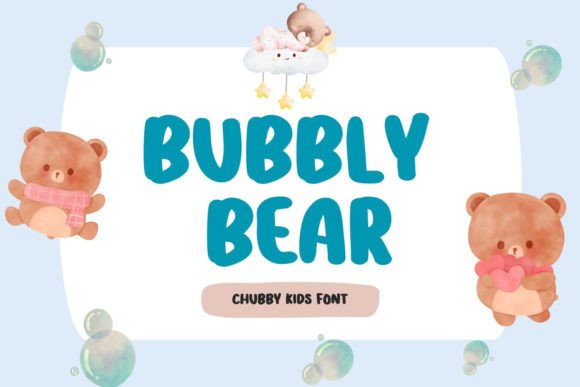
Bubbly Bear: Embracing Warmth and Playfulness in Modern Typography
In an era where digital interfaces often lean toward minimalism and stark efficiency, there is a growing counter-movement that values emotional connection and approachability. This shift has brought renewed attention to typefaces that do more than just convey information; they evoke feeling. Enter Bubbly Bear, a font that perfectly captures the essence of fun and friendliness. With its rounded, soft edges and playful structure, Bubbly Bear is designed to add a touch of warmth and joy to your projects. It represents more than just a stylistic choice; it reflects a broader cultural desire for authenticity and comfort in our visual communications.
For designers, marketers, educators, and content creators, understanding the psychological impact of typography is crucial. The rise of "Bubbly Bear – The Chubby Kids Font" signals a move away from cold, corporate aesthetics toward designs that feel human, accessible, and inviting. This article explores why this specific typographic style is gaining traction, how it fits into current design trends, and practical ways you can leverage it to enhance your brand or creative work.
The Psychology of Rounded Typography
Typography is rarely neutral. Every curve, angle, and weight carries subconscious messages. Sharp, angular fonts often communicate precision, authority, or urgency. In contrast, rounded typefaces like Bubbly Bear suggest safety, openness, and kindness. This is rooted in basic psychological principles where humans naturally associate round shapes with softness and non-threat. When users encounter text set in a font with soft edges, their guard lowers slightly, making them more receptive to the message.
This is particularly relevant in today’s fast-paced digital landscape. Users are bombarded with thousands of ads, emails, and notifications daily. A font that feels gentle and familiar can serve as a visual pause, offering a moment of relief. Bubbly Bear achieves this through its consistent curvature and balanced proportions. It does not scream for attention but rather invites the reader in. For brands aiming to build trust and loyalty, especially in sectors like healthcare, education, or family-oriented services, this subtle emotional cue can be powerful.
Aligning with Modern Design Trends
The popularity of Bubbly Bear aligns with several significant design trends that have emerged over the past few years. One of the most prominent is the shift toward "friendly tech." As technology becomes more integrated into daily life, companies are striving to make their interfaces feel less robotic and more conversational. Rounded sans-serif fonts are a staple of this aesthetic, helping to humanize apps, websites, and customer service interactions.
Another trend is the revival of nostalgia and playfulness. Many adults aged 20–50 grew up during a time when graphic design was bold, colorful, and expressive. Fonts that recall the innocence of childhood, such as those labeled as "chubby kids" styles, tap into this nostalgic sentiment. They remind us of storybooks, playgrounds, and simpler times. By incorporating Bubbly Bear into modern projects, designers can bridge the gap between professional polish and nostalgic charm, creating a unique brand personality that stands out in a crowded market.
Furthermore, the emphasis on accessibility and inclusivity has influenced typography choices. Clear, legible, and friendly fonts are essential for ensuring that content is accessible to diverse audiences, including children, older adults, and individuals with dyslexia. While Bubbly Bear is primarily a display font, its clear letterforms and generous spacing contribute to readability in short bursts of text, making it suitable for headings, buttons, and call-to-action elements.
Practical Applications for Creators and Businesses
Understanding the theory behind Bubbly Bear is one thing; applying it effectively is another. Here are several practical scenarios where this font can elevate your work:
- Educational Materials: Teachers and educational publishers can use Bubbly Bear for worksheets, classroom posters, and learning apps. Its playful nature engages young learners without appearing childish or unprofessional. It strikes the right balance between fun and function, making learning materials more appealing.
- Family-Oriented Brands: Companies selling baby products, toys, or family services can benefit from the warm aesthetic of Bubbly Bear. It reinforces the brand’s commitment to care and happiness. Use it for packaging labels, social media graphics, and website headers to create a cohesive and inviting brand experience.
- Health and Wellness: In the wellness sector, where calming and supportive tones are vital, Bubbly Bear can soften the clinical feel often associated with health information. It works well for mindfulness apps, yoga studio branding, or nutritional guides, suggesting a holistic and gentle approach to well-being.
- Creative Portfolios: Freelancers and hobbyists can use Bubbly Bear to showcase their personality. Whether you are a illustrator, a baker, or a craft seller, this font adds a personal touch to your portfolio site or business cards, signaling that you are approachable and creative.
Best Practices for Using Bubbly Bear
To get the most out of Bubbly Bear, it is important to use it strategically. Like any strong typographic voice, it works best when given space to breathe. Here are some recommendations for effective implementation:
- Pair with Neutral Fonts: Since Bubbly Bear has a distinct personality, pair it with a simple, clean sans-serif or serif font for body text. This creates contrast and ensures that the main content remains easy to read while the headings capture attention. Avoid pairing it with other decorative fonts, as this can create visual clutter.
- Use for Headlines and Highlights: Reserve Bubbly Bear for short texts such as titles, subtitles, quotes, and button labels. Its rounded forms are ideal for drawing the eye to key messages. Using it for long paragraphs may reduce readability due to its informal structure.
- Mind the Color Palette: This font pairs beautifully with soft, pastel colors or vibrant, cheerful hues. Consider using warm tones like coral, sky blue, or mint green to enhance the friendly vibe. Avoid harsh, high-contrast combinations that might clash with the font’s soft nature.
- Test Across Devices: Ensure that the font renders well on various screens. While Bubbly Bear is designed for clarity, always check its legibility on mobile devices, where screen real estate is limited. Adjust sizing and spacing as needed to maintain impact.
The Future of Friendly Typography
As we look ahead, the demand for empathetic design is likely to grow. Consumers are increasingly valuing brands that show personality and emotional intelligence. Fonts like Bubbly Bear are not just a passing fad; they represent a lasting shift toward more human-centered design. We are moving away from one-size-fits-all corporate aesthetics toward tailored visual languages that speak directly to specific communities and emotions.
Moreover, advancements in web technologies allow for greater flexibility in typography. Variable fonts and improved rendering engines mean that designers can use expressive typefaces like Bubbly Bear without compromising performance or accessibility. This opens up new possibilities for interactive and dynamic designs where typography plays a central role in user engagement.
For professionals and creators, staying attuned to these shifts is essential. Incorporating tools like Bubbly Bear into your toolkit allows you to respond to the changing expectations of your audience. It enables you to create work that is not only visually appealing but also emotionally resonant. Whether you are designing a new app, launching a small business, or creating content for social media, choosing the right font can make a significant difference in how your message is received.
In conclusion, Bubbly Bear offers a refreshing alternative to standard typography. Its ability to convey warmth, joy, and friendliness makes it a valuable asset in any designer’s arsenal. By understanding its psychological impact and applying it with intention, you can create projects that connect with people on a deeper level. In a world that often feels cold and disconnected, a little bit of bubbly warmth can go a long way.